The Cost of Comfort

We've spent decades engineering discomfort out of daily life. Heated seats. Instant delivery. AI that finishes your sentences.
And yet — something feels off.
The paradox
The more frictionless life becomes, the more people report feeling purposeless. Not miserable. Not suffering. Just... hollow.
Psychologists call this the hedonic treadmill — we adapt to comfort so quickly that it stops feeling like anything at all.
The opposite of meaningful is not painful. The opposite of meaningful is effortless.
What research says
Studies on flow states consistently find the same thing: people are happiest when the difficulty of a task slightly exceeds their current skill level. Not too easy, not impossible — calibrated.
Three conditions for flow
- Clear goals
- Immediate feedback
- The challenge matches the skill
What we actually want
What we want isn't the absence of difficulty. What we want is the right difficulty — challenge that's connected to something we care about.
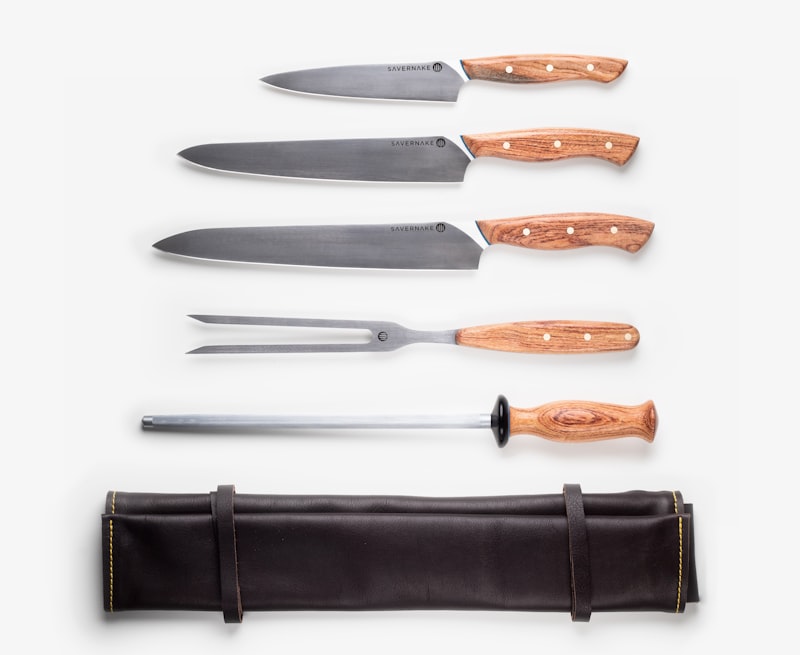
 Local image — drop your file in
 public/images/ and reference it as /images/filename.jpg.
A surgeon who spends years mastering a difficult technique isn't suffering. They're alive in the fullest sense.
Here's what small reclamation looks like:
- Cook a meal from scratch instead of ordering in
- Walk the route you'd normally drive
- Write a letter by hand
- Sit in silence for 10 minutes — no inputs
Or try this 3-day starter:
| Day | Friction | Time needed |
|---|---|---|
| 1 | Cold shower | 2 minutes |
| 2 | No phone until noon | Half a morning |
| 3 | Cook something difficult | 1 hour |
The reintroduction
You don't need to manufacture extreme hardship — start small.
These aren't grand gestures. They're small reclamations. Tiny proofs that you can do hard things — and that doing hard things feels good.
The goal isn't to suffer. It's to choose.
— Alang